The Scientific Evidence Behind Inflammation-First Knee Arthritis Care

  1. Scientific Basis of Inflammation-First Knee Arthritis Care

This page summarises the scientific evidence supporting an inflammation-first approach to knee osteoarthritis, as presented in the Inflammation Pillar Video. Each section corresponds directly to a key statement from the script, supported by peer-reviewed research.

1. Knee Arthritis Is Not Just Wear and Tear

Scientific Proof

Osteoarthritis is now recognised as a whole-joint inflammatory disease involving the synovium, cartilage, subchondral bone, ligaments, and infrapatellar fat pad.

Key References

  • Robinson WH et al., Nature Reviews Rheumatology – Osteoarthritis as an inflammatory disease
  • Berenbaum F, Osteoarthritis and Cartilage – Low-grade chronic inflammation in OA progression

Consensus

Mechanical damage alone does not explain pain severity or disease progression.


2. Inflammation Inside the Joint Drives Pain, Stiffness, and Progression

Scientific Proof

  • Synovitis strongly correlates with pain severity
  • Associated with effusion and stiffness
  • Predicts faster cartilage loss

Key References

  • Hill CL et al., Annals of the Rheumatic Diseases
  • Felson DT et al., Arthritis & Rheumatology

Consensus

Pain tracks inflammatory activity, not X-ray grade.


3. Two Patients With the Same X-Ray Can Have Very Different Pain

Scientific Proof

Radiographic severity correlates poorly with clinical symptoms.

Key References

  • Bedson J, Croft PR, Rheumatology
  • Hannan MT et al., Arthritis & Rheumatism

Consensus

Imaging underestimates biological disease activity.


4. Exercise Improves Support, Not Inflammation

Scientific Proof

  • Improves muscle strength and neuromuscular control
  • Does not suppress synovial cytokines when inflammation is active

Key References

  • Henriksen M et al., Osteoarthritis and Cartilage
  • Baker KR et al., Arthritis Care & Research

Consensus

Exercise is necessary but biologically insufficient when inflammation is uncontrolled.


5. Why Patients Plateau Despite Good Physiotherapy

Scientific Proof

  • Active synovitis predicts poor rehabilitation response
  • Associated with pain flares after loading
  • Reduces tolerance to strengthening

Key References

  • Scanzello CR et al., Clinical Orthopaedics and Related Research
  • Schaible HG, Nature Reviews Rheumatology

Consensus

Plateaus are biological, not motivational failures.


6. Painkillers Suppress Symptoms, Not Disease Biology

Scientific Proof

  • NSAIDs reduce pain temporarily
  • Do not halt cartilage degeneration
  • Do not modify disease progression

Key References

  • Zhang W et al., OARSI Guidelines
  • Hochberg MC et al., Arthritis Care & Research

Consensus

Symptom relief does not equal disease control.


7. Sequence Matters: Calm Inflammation Before Strengthening

Scientific Proof

  • Reducing inflammatory load improves pain thresholds
  • Improves exercise tolerance
  • Enhances functional outcomes

Key References

  • Atukorala I et al., Arthritis Research & Therapy
  • Bennell KL et al., British Journal of Sports Medicine

Consensus

Biological readiness determines rehabilitation success.


8. Joint Preservation Focuses on Biology, Not Just Mechanics

Scientific Proof

Modern OA management emphasises early biological modulation, load management, and individualised treatment sequencing.

Key References

  • Loeser RF et al., Osteoarthritis and Cartilage
  • Hunter DJ, The Lancet

Consensus

Joint preservation is proactive, not passive.


9. Inflammation Is Treatable

Scientific Proof

  • Inflammation in OA is measurable
  • Inflammation is modifiable
  • Inflammation is clinically meaningful

Key References

  • Mathiessen A, Conaghan PG, Arthritis Research & Therapy
  • Scanzello CR, Goldring SR, Arthritis & Rheumatology

Consensus

Osteoarthritis inflammation is manageable, not inevitable.

See the video here -https://youtu.be/IJFPdKUwpc0?si=5lN4781-zEmo3Xk0

FAQ’s

Q: Is knee osteoarthritis only caused by wear and tear?

A: No. Current research shows osteoarthritis is a whole-joint inflammatory disease. Mechanical wear alone does not explain pain severity or progression.

Q: Why does knee pain not match X-ray findings?

A: Pain correlates more strongly with synovial inflammation than with radiographic cartilage loss. X-rays underestimate biological disease activity.

Q: Does exercise reduce inflammation in knee arthritis?

A: Exercise improves strength and support but does not reliably suppress active synovial inflammation when it is present.

Q: Why do some patients plateau despite physiotherapy?

A: Active inflammation sensitises pain pathways and limits tolerance to loading, leading to biological—not motivational—plateaus.

Q: Are painkillers disease-modifying in knee arthritis?

A: No. NSAIDs reduce symptoms temporarily but do not alter the underlying disease process or progression.

PRASAD Treatment for Knee Osteoarthritis: What It Is, Who It Helps, and How It Works

  1. PRASAD Treatment for Knee Osteoarthritis: What It Is, Who It Helps, and How It Works

Most people believe knee osteoarthritis is simply a problem of worn-out cartilage. Modern research, however, shows that osteoarthritis is driven by chronic inflammation, metabolic imbalance, and altered cartilage cell behaviour.

The PRASAD Treatment was developed to address these deeper mechanisms. Rather than offering temporary pain relief, it aims to reset the joint’s biological environment so that function improves and disease progression slows.

Why Osteoarthritis Needs More Than Symptom Control

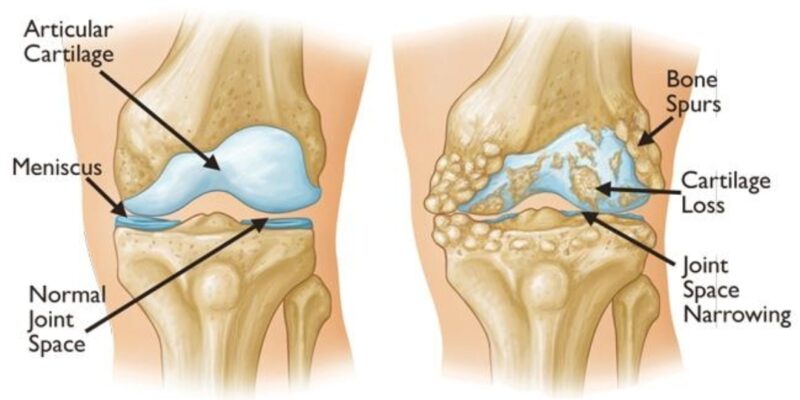
Osteoarthritis is now understood as a whole-joint disease involving cartilage, synovium, bone, muscles, and inflammatory signalling molecules. Persistent inflammation keeps the joint in a breakdown-dominant state, even when X-rays appear only mildly abnormal.

This explains why pain severity often does not correlate with imaging findings—and why isolated injections or painkillers rarely provide durable improvement.

What Is the PRASAD Treatment?

PRASAD is a structured regenerative protocol designed to:

  • Reset chronic joint inflammation
  • Improve cartilage and synovial metabolism
  • Enhance the joint’s internal repair environment
  • Restore strength-based load tolerance
  • Delay or avoid knee replacement in selected patients

Unlike single-shot therapies, PRASAD is a phased protocol tailored to the patient’s inflammatory status, metabolic profile, and stage of osteoarthritis.

The Biological Rationale Behind PRASAD

Inflammation Reset

Stressed cartilage cells release danger signals known as alarmins. These molecules perpetuate inflammation and accelerate tissue breakdown. PRASAD targets this inflammatory loop to calm the joint before regenerative stimulation is applied.

Metabolic Rebalancing

In osteoarthritis, cartilage cells shift toward a catabolic (breakdown-driven) state. PRASAD incorporates metabolic correction and biologic modulation to push the joint environment back toward repair and stability.

Targeted Regenerative Support

Depending on patient selection, PRASAD may integrate platelet-based or cell-supported biologics, always within a controlled protocol rather than as stand-alone injections.

How PRASAD Differs From Standard Knee Injections

Common Treatment Primary Action PRASAD Difference
Steroid injections Short-term inflammation suppression PRASAD avoids cartilage-weakening effects of repeated steroids
PRP Growth factor delivery Used only after inflammation is biologically controlled
Hyaluronic acid Lubrication PRASAD focuses on biological reset, not temporary viscosity

Who Is an Ideal Candidate?

PRASAD is most effective for patients with:

  • Early to moderate knee osteoarthritis
  • Inflammatory flares with activity-related pain
  • Stiffness that improves with movement
  • Metabolic risk factors such as weight gain or insulin resistance
  • A desire to delay or avoid knee replacement

Expected Outcomes

Patients commonly experience improvements in pain, swelling frequency, walking endurance, stair climbing, and confidence in knee function. Results are gradual but more durable because the underlying joint environment is altered.

Safety Considerations

PRASAD primarily uses autologous biologics combined with structured rehabilitation and metabolic correction. This results in a favourable safety profile when proper screening is followed.

Why PRASAD Represents the Future of Osteoarthritis Care

Modern osteoarthritis management is moving toward early biologic intervention, inflammation control, metabolic optimisation, and strength-based joint loading. PRASAD aligns with this evidence-driven direction.

For a simpler, patient-focused explanation of the PRASAD approach, read the detailed overview on drakvenkat.com.

Long-Term Follow-Up Update (2026)

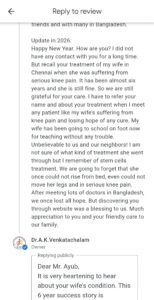
We recently received a follow-up review from a patient who underwent our stromal-based biologic treatment 6 years ago.

They continue to report:

Sustained pain relief

Stable knee function

See the attached screen shots

Active daily lifestyle6 year follow up of PRS treatment

No need for knee replacement

  1. This long-term outcome reinforces the durability of biologic knee-preservation strategies when applied to appropriately selected patients.

Continue reading “PRASAD Treatment for Knee Osteoarthritis: What It Is, Who It Helps, and How It Works”

PRS treatment India

Why Platelet-Rich Stroma (PRS) Outperforms PRP and Radiofrequency Ablation for Knee Arthritis:

Why Platelet-Rich Stroma (PRS) Outperforms PRP and Radiofrequency Ablation for Knee Arthritis:

Why Platelet-Rich Stroma (PRS) Is Superior to PRP and Radiofrequency Ablation for Knee Arthritis

Knee arthritis is one of the most common causes of chronic pain and disability in older adults. As the condition progresses, many patients explore different treatment options—PRP injections, steroid shots, hyaluronic acid, or even radiofrequency ablation (RFA).

However, not all treatments address the root cause of the disease.

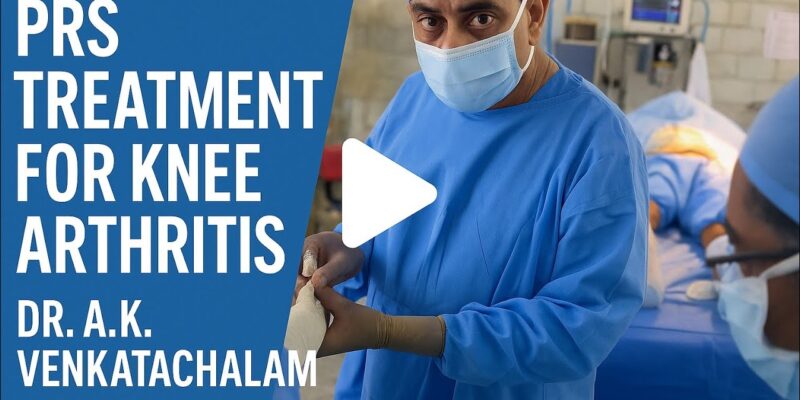
In this detailed explanation, Dr A.K. Venkatachalam, Orthopaedic Surgeon and interventional orthopaedics specialist at Orthobiologic Surgery India, breaks down why Platelet-Rich Stroma (PRS) is a far more effective, logical, and long-lasting solution for knee arthritis compared to PRP and RFA.


The Patient’s Story: A Common Journey With Knee Pain

A 64-year-old patient with chronic knee pain had already undergone:

  • Steroid injections

  • Multiple consultations

  • Recommendations for PRP

  • Advice to undergo radiofrequency genicular nerve ablation

Yet, the pain continued to worsen.

Many patients face a similar path—trying temporary solutions that address symptoms rather than the disease. This is where PRS stands apart.


Why Radiofrequency Ablation Fails Patients in the Long Run

Radiofrequency ablation is often marketed as a minimally invasive pain-relief procedure. It works by burning or damaging the genicular nerves that carry pain signals from the knee to the brain.

But the problems with RFA are significant:

1. Relief is short-lived

Ablated nerves regenerate within 9–12 months, bringing back the same pain.

2. It does not treat the disease

RFA treats only pain, not the underlying cartilage degeneration, inflammation, or joint damage.

3. It may worsen joint health

Destroying sensory nerves can lead to altered joint loading and unnoticed injury.
This mechanism mirrors Charcot’s neuropathic joint, seen in diabetics and patients with neurological disorders, where loss of sensation accelerates joint destruction.

4. No regenerative benefit

RFA cannot repair cartilage, restore joint lubrication, or reduce inflammatory mediators.

Conclusion:
RFA is not a regenerative therapy and is not suitable for patients seeking long-term recovery.


Why PRS (Platelet-Rich Stroma) Is Biologically Superior

PRS is an advanced orthobiologic treatment that combines three powerful regenerative components:

1. High-Concentration Platelet-Rich Plasma (PRP)

PRP delivers growth factors that reduce inflammation and stimulate cell repair.

2. Adipose-Derived Medicinal Signalling Cells (MSCs)

Formerly called stem cells, these MSCs are harvested from the patient’s own fat tissue.

Why fat?
Because fat contains nearly 500 times more MSCs than bone marrow, making it an ideal regenerative source.

These cells:

  • Reduce inflammation

  • Promote cartilage repair

  • Support tendon, ligament, and synovial healing

  • Regenerate microvasculature

3. Bone Marrow Concentrate (BMAC)

Bone marrow cells provide additional cytokines and growth factors for targeted healing.

The PRS Advantage:

Combining PRP + fat-derived MSCs + bone marrow signals creates a powerful regenerative environment inside the knee.

Patients often experience improvements lasting 2 to 10 years, significantly longer than PRP or RFA.


Emerging Advances: Nanofat and Micronized Fat

Dr Venkatachalam also highlights innovations like:

  • Nanofat

  • Micronized fat

These contain even higher concentrations of stromal vascular fraction (SVF) and growth factors, offering potentially longer-lasting and enhanced outcomes for knee arthritis.

Such techniques are shaping the future of biologic joint rejuvenation.


Why PRS Makes Scientific and Clinical Sense

PRS is a true regenerative therapy because it:
✔ Treats the root cause—degeneration and inflammation
✔ Restores biological balance inside the joint
✔ Delays or avoids knee replacement in many patients
✔ Is minimally invasive
✔ Uses your body’s own healing power
✔ Provides multi-year relief rather than months

Unlike RFA, which destroys, PRS restores.


Conclusion

Platelet-Rich Stroma (PRS) stands far superior to PRP and radiofrequency ablation because it is biologically rational, logically restorative, and clinically powerful.

RFA only blocks pain temporarily, while PRS actively repairs, rejuvenates, and regenerates joint tissues—leading to long-lasting relief and better knee function.

If you are suffering from knee arthritis and want a scientifically grounded regenerative solution, PRS may be the right option for you.


For Appointments & Enquiries

📧 Email: drvenkatjoints@gmail.com
📞 Call/WhatsApp: +91 78240 03400
🌐 Website: www.orthobiologicsurgeryindia.com

What is Platelet-Rich Stroma (PRS)treatment in India?

What is Platelet rich stroma treatment in India?

What is platelet-rich stroma treatment for knee osteoarthritis in India?

Knee osteoarthritis (OA) remains one of the most common and debilitating conditions facing patients today — involving pain, stiffness, reduced mobility and poor quality of life. Traditional treatments (analgesics, physiotherapy, hyaluronic acid injections, and even knee replacement) help in many cases, but often fall short of halting the disease or significantly restoring joint health.
Here, the concept of Platelet-Rich Stroma (PRS) emerges as a promising regenerative therapy. The video above introduces PRS in the context of knee arthritis, and in this article, we’ll explore what PRS is, how it works, evidence for its use, and how it could fit into the treatment spectrum — especially in the Indian orthobiologics setting.


Understanding PRS — What does it mean?

PRS stands for Platelet-Rich Stroma. It is not just a platelet concentrate (as in PRP) but a combination therapy, merging two components:

  • Platelet-Rich Plasma (PRP): a concentration of a patient’s own platelets obtained from their blood, rich in growth factors and cytokines that promote healing. PMC+2orthobiologicsurgeryindia.com+2

  • Stromal Vascular Fraction (SVF): derived from the patient’s adipose (fat) tissue, this includes multiple cell types (mesenchymal/stromal cells, pericytes, endothelial cells, immune regulatory cells) along with extracellular matrix. MDPI

When you combine PRP + SVF (mechanically isolated adipose tissue stromal fraction) you get the therapeutic concept of PRS. As one study described, a series of 15 patients with knee OA treated with a single injection of PRS showed improvement in pain and function at 12 months. MDPI+1

In short: PRP provides bioactive growth factors, SVF provides regenerative cells & a matrix scaffold — together, aimed at modulating inflammation, promoting tissue repair, and improving the joint environment.


How does PRS treatment work (step-by-step)

Here’s a simplified overview of the PRS procedure as used for knee osteoarthritis (OA) cases:

  1. Harvesting

  2. Processing / Preparation

    • The adipose tissue is mechanically processed (to obtain tSVF) and combined with the PRP to form the PRS mixture. MDPI+1

    • The mixture is prepared under sterile conditions.

  3. Injection

  4. Post-Procedure Care & Monitoring

    • Because PRS uses autologous tissues (the patient’s own), the risks of rejection are minimal. orthobiologicsurgeryindia.com

    • Patients are monitored over months for improvements in pain, stiffness, mobility, and overall joint function.What is Platelet-Rich Stroma (PRS) treatment in India?


Evidence: What do studies show for PRS in knee OA?

Here are some key points from the available literature (which you as an orthobiologic surgeon in India may find relevant for patient education):

  • In a 2020 case-series of 15 patients aged 43-75 years with knee OA (Kellgren-Lawrence stage II-III) treated with a single PRS injection: significant improvement in pain (VAS), function (WOMAC), stiffness (Lysholm) at 12 months follow-up. No complications reported. MDPI

  • Systematic reviews/meta-analyses of PRP (without SVF) already demonstrate PRP can reduce pain and improve function in knee OA, though results vary with preparation protocols. BioMed Central+1

  • The emerging evidence suggests that combining PRP + adipose-derived stromal fraction may provide better or more durable results compared to PRP alone — though larger controlled trials are still needed. orthobiologicsurgeryindia.com+1

Key takeaway: PRS is promising for knee OA, especially moderate stages, but it is not yet universally the “standard of care”— patients and clinicians must discuss expectations, costs, and suitability.


Who is a candidate for PRS?

Based on current practice and literature (and drawing on the video content), the ideal candidate for PRS would be:

  • A patient with mild to moderate knee osteoarthritis (not end-stage, massively deformed joint)

  • Someone who has tried conventional treatments (physiotherapy, analgesics, hyaluronic acid/viscosupplementation) but still has pain/stiffness

  • A person motivated for a regenerative, minimally invasive procedure, willing to pay (depending on clinic/hospital) and understand that results vary

  • Someone aware that PRS is a complementary/alternative to standard treatment—not always a guaranteed “repair” of cartilage, but an enhancement of the joint environment

For very advanced OA with severe joint destruction, major bone loss or large deformity, joint replacement may still be necessary. PRS can help delay surgery, but is unlikely to replace surgery in such cases.


What are the advantages & limitations?

Advantages

  • Autologous: uses the patient’s own blood + fat tissue → lower risk of immunologic rejection/major complications.

  • Minimally invasive compared to joint replacement or major surgeries.

  • Potential to address the underlying degenerative/inflammatory mechanism instead of just symptomatic relief.

  • Shorter downtime; patient walks in, walks out (as per some descriptions). orthobiologicsurgeryindia.com

Limitations & Considerations

  • Cost: advanced biologic/regenerative therapies may be expensive (especially in private practice)

  • Evidence: while promising, longer-term data (5-10 years) are still limited

  • Not a guaranteed cure: results vary among patients; cartilage regeneration extent may differ. MDPI+1

  • Procedure-specific: harvesting fat (liposuction) may carry minor donor-site discomfort/risks

  • Suitability: not all OA patients are ideal candidates — must assess stage, joint alignment, other co-morbiditie


FAQ: Frequently Asked Questions

Q1. How long does it take to see results after PRS injection?
In the cited study, patients saw pain and stiffness improvement within a few weeks; significant improvement persisted at 12 months. MDPI+1

Q2. Is the procedure painful? What is the recovery time?
The injection is done under local anaesthesia; fat harvesting is via mini liposuction (small incision). Recovery is relatively fast – many patients walk out the same day without major downtime. orthobiologicsurgeryindia.com

Q3. Are there risks or side effects?
Since PRS uses the patient’s own tissues, risk of immunologic reactions is low. Standard risks of injections apply (infection, bleeding, pain). Donor-site fat harvesting may cause bruising or discomfort. In the cited series, no complications were reported. MDPI

Q4. How much does it cost in India?
Costs vary widely depending on clinic, city, equipment used, and aftercare. It’s best to contact your clinic for a tailored quote and compare what the package includes (e.g., harvesting, processing, injection, follow-ups).

Q5. Will I still need knee replacement later?
PRS aims to delay or reduce the need for knee replacement by improving the joint environment and function. However, in advanced joint destruction, replacement may still be needed. Discuss with your orthopaedic/regenerative specialist whether you are a candidate for PRS and how it fits your arthritis stage.


Conclusion

The therapy of Platelet-Rich Stroma (PRS) presents an exciting frontier in regenerative treatment for knee osteoarthritis — particularly suited for patients in India looking for advanced options beyond standard injections or waiting for joint replacement. When used in the right patient, PRS may help reduce pain, improve function, enhance quality of life and possibly delay more invasive surgery.

If you or someone you know is dealing with knee OA and exploring advanced options, consider discussing PRS (Platelet-Rich Stroma) with your orthopaedic/regenerative specialist. Understanding the evidence, procedure, suitability and cost is key.

This blog post is for informational purposes and does not substitute a personal consultation.

Alcohol ablation of genicular nerves for osteo-arthritis and PRS treatment – a first in India

Alcohol ablation of genicular nerves for osteo-arthritis- I am proud to introduce an advanced pain relieving procedure to another advanced biological procedure PRS treatment for knee arthritis,

This combined procedure was done for the first time in India for this patient. See the patient’s testimonial here

Combination of Alcohol Ablation of Genicular Nerves and Platelet-Rich stroma (PRS) Therapy for Knee Osteoarthritis:

A First Case Report by Dr. A.K. Venkatachalam at Madras Joint Replacement Centre

Introduction

Knee osteoarthritis (OA) is a common and debilitating condition, particularly among the elderly. Traditional treatments often fail to provide long-term relief, prompting the exploration of innovative therapies. This case report documents the first known combination of alcohol ablation of genicular nerves and platelet-rich stroma (PRS) therapy in India, performed by Dr. A.K. Venkatachalam at the Madras Joint Replacement Centre.

Case Presentation

Patient Profile:

Age: 49 years

Gender: Female

History: Chronic knee pain for over 5years, unresponsive to conservative treatments. Was recommended TKR elsewhere

Procedure:

Alcohol Ablation:

Technique: Ultrasound-guided injection of ethanol into the genicular nerves.

Objective: To disrupt pain signal transmission by inducing neurolysis.

Outcome: Immediate reduction in pain intensity post-procedure.

PRS Therapy:

Technique: Injection of autologous PRP and SVF into the knee joint.

Objective: To promote tissue regeneration and reduce inflammation.

Outcome: Gradual improvement in knee function and further pain reduction over the following weeks.

Results

Pain Relief: The patient reported a significant decrease in pain, with a Visual Analog Scale (VAS) score reduction from 9/10 to 3/10 within 5 Hours.

Functional Improvement: Enhanced mobility and ability to perform daily activities without significant discomfort.

Discussion

The combination of alcohol ablation and PRS therapy leverages the strengths of both treatments:

Alcohol Ablation: Provides immediate and effective pain relief by targeting the genicular nerves.

PRS Therapy: Enhances tissue healing and reduces inflammation, contributing to long-term improvement.

This dual approach addresses both the symptomatic and underlying pathological aspects of knee OA, offering a comprehensive treatment strategy.

Conclusion

This case report demonstrates the potential of combining alcohol ablation of genicular nerves with PRS therapy as an effective treatment for knee OA. Further studies with larger patient cohorts are needed to validate these findings and establish standardized protocols.

References

Butarbutar, J., et al. (2023). “Ultrasound-guided Genicular Nerve Ablation with Alcohol Solution for Knee Osteoarthritis: A Case Series.” Medicinus1.

Elashmawy, M. M., et al. (2022). “Ultrasound-guided genicular nerve block versus alcoholic neurolysis for treatment of advanced knee osteoarthritis patients.” The Egyptian Rheumatologist2.

Platelet-rich stroma treatment knee arthritis Chennai

Platelet-rich stroma treatment knee arthritis Chennai

This gentleman sought Platelet-rich stroma treatment knee arthritis Chennai from Dr.A.K.Venkatchalam. Although he had advanced grade 4 arthritis in both knees, the treatment provided pain relief after 3 days.

Osteoarthritis (OA) of the knee, a condition where the protective cartilage wears away, can be a source of chronic pain and limit mobility. While traditional treatments like medication and physical therapy offer relief, they don’t address the root cause. Enter platelet-rich stroma (PRS) treatment, a promising new approach that harnesses the body’s own healing potential.

What is Platelet-rich stroma treatment knee arthritis Chennai (PRS)?

PRS is a minimally invasive procedure that combines two powerful components:

  • Platelet-rich plasma (PRP): Concentrated platelets from your blood, rich in growth factors that promote tissue repair and regeneration.
  • Stromal vascular fraction (SVF): A collection of stem cells and other healing cells derived from your fat tissue.

How does PRS work for knee OA?

When injected into the knee joint, PRS delivers a concentrated dose of healing factors:

  • Reduced inflammation: SVF’s stem cells have anti-inflammatory properties, calming the pain and joint damage.
  • Cartilage regeneration: Growth factors in PRP stimulate cartilage growth and repair damaged tissue.
  • Improved lubrication: PRS promotes the production of synovial fluid, the lubricant that keeps your joints moving smoothly.

Benefits of PRS for knee OA:

  • Pain relief: Studies show significant pain reduction after PRS treatment, improving quality of life.
  • Improved function: Patients experience increased mobility and flexibility, allowing for better daily activities.
  • Potential to delay surgery: PRS may offer a non-surgical option for managing OA, potentially postponing or even avoiding joint replacement.
  • Minimally invasive: The procedure is relatively quick and well-tolerated, with minimal downtime. experienced in PRS therapy to discuss if it’s right for you.
  • Conclusion:

Platelet-rich stroma therapy is a cutting-edge treatment for knee osteoarthritis that utilizes the patient’s adipose (fat) tissue and Platelet-rich plasma (PRP) to promote healing and reduce pain.

It is done as an outpatient procedure and takes about 2 hours as stated by this patient. He went home soon after and was able to walk without any pain using minimal support.

Plaelet-rich stroma treatment is a safer alternative to knee replacement as said by this patient.

If you want to see more testimonials about biologic treatments for knee arthritis, and shoulder problems, visit Testimonials | Ortho Biologic Surgery Indiahttps://orthobiologicsurgeryindia.com/testimonials-stem-cell-treatment-knee-arthritis/

Platelet Rich Stroma Therapy for Knee Osteoarthritis

Exploring Platelet Rich Stroma Therapy for Knee Osteoarthritis

In this article i will elaborate how Platelet rich stroma treatment can stem the pain of Osteoarthritis.

You will hear from an eighty year old lady in Tamil and her son in English in the video at first.

Do you wish to learn about this latest alternative to knee replacement?

Platelet-rich plasma (PRP) treatment is a type of orthobiologic treatment that has been used to treat knee osteoarthritis in India. It  combines two different types of biological materials: platelet-rich plasma (PRP) and stromal vascular fraction (SVF).

What is PRP?

PRP is a concentrated solution of platelets and growth factors that are derived from a patient’s own blood. It is often used in regenerative medicine to promote tissue healing and reduce inflammation.

What is SVF?

SVF, on the other hand, is a mixture of stem cells, immune cells, and other regenerative cells that are derived from adipose tissue (fat). SVF is also known to have regenerative properties and is commonly used in stem cell therapy.

In PRS treatment, a small amount of adipose tissue is harvested from the patient and processed to extract the SVF. The PRP is then combined with the SVF to create the PRS solution. This PRS solution is then injected into the area of injury or degeneration to promote tissue regeneration and repair

How does stromal vascular fraction combat the inflammatory cause of knee osteoarthritis?

Stromal vascular fraction (SVF) is believed to combat the inflammatory cause of knee osteoarthritis through its regenerative properties. SVF contains a mixture of different cell types, including stem cells and immune cells, which work together to modulate inflammation and promote tissue repair.

  1. Anti-Inflammatory Effects: Some of the cells present in SVF, such as mesenchymal stem cells, have anti-inflammatory properties. When injected into the knee joint, these cells can help suppress the release of pro-inflammatory molecules and cytokines that contribute to the inflammation seen in osteoarthritis. By reducing inflammation, SVF may help alleviate pain and slow down the progression of the disease.
  2. Tissue Repair and Regeneration: SVF contains cells that have the ability to differentiate into various cell types, including cartilage-producing cells. In knee osteoarthritis, the protective cartilage cushioning the joint gradually wears away. SVF injections may promote the growth of new cartilage-like tissue, contributing to joint repair and improved function.
  3. Immunomodulation: SVF contains immune cells that play a role in regulating the immune response. These cells can help create an environment that is less hostile to the joint, reducing the immune system’s attack on healthy tissue and further decreasing inflammation.
  4. Growth Factors and Cytokines: SVF is rich in growth factors and cytokines, which are signaling molecules that promote cell growth, differentiation, and healing. These factors can stimulate the body’s natural healing processes and support the repair of damaged tissues. If you desire to undergo this latest treatment, seek an appointment with Dr.A.K.Venkatachalam by filling out the contact form in www.orthobiologicsurgeryindia.com


Platelet rich stroma treatment for knee arthritis India

Platelet rich stroma treatment knee arthritis India

A 75 year old lady with symptoms of knee locking obtained relief after Platelet rich stroma treatment in Chennai. Listen to her testimonial in this video. Dr.A.K.Venkatachalam provides this treatment in Chennai. Although this is a short term honest statement of pain relief by this patient, this study describes the mid term result of SVF treatment at five years. The conclusion in this paper is that 60 percent of patients have acceptable pain relief at five years. This might seem to be sufficient justification for undergoing this procedure which might seem expensive initially.

What is Platelet rich stroma?

Platelet-rich stroma (PRS) is a type of orthobiologic treatment that combines two different types of biological materials: platelet-rich plasma (PRP) and stromal vascular fraction (SVF).

What is PRP?

PRP is a concentrated solution of platelets and growth factors that are derived from a patient’s own blood. It is often used in regenerative medicine to promote tissue healing and reduce inflammation. A concentration of 4 x baseline value of platelets is desirable. PRP provides the growth factors which enable SVF cells to adhere.

What is SVF?

SVF is a mixture of stem cells, immune cells, and other regenerative cells that are derived from adipose tissue (fat). SVF is also known to have regenerative properties. Cells in SVF possess signalling effects. That is they stimulate resident cells within the joint to multiply and produce cartilage matrix. This property of SVF is known as “Paracrine effect” ( See point 4 below)

Stromal vascular fraction (SVF) has been suggested as a potential treatment for knee osteoarthritis due to its ability to combat the inflammatory causes of the condition. SVF contains a mixture of various cells, including mesenchymal stem cells (MSCs), immune cells, and other regenerative cells, which work together to address inflammation and promote tissue healing.

  1. Anti-inflammatory properties: MSCs within SVF have been found to possess anti-inflammatory properties. They can modulate the immune response and reduce the production of pro-inflammatory molecules, such as cytokines and chemokines. By suppressing inflammation, SVF can help alleviate pain and reduce the progression of knee osteoarthritis.
  2. Immune modulation: SVF contains immune cells, including regulatory T cells (Tregs), which play a role in immune regulation. Tregs can suppress the activity of other immune cells that contribute to inflammation. This immune modulation by SVF can help control the inflammatory response in the knee joint affected by osteoarthritis.
  3. Growth factor secretion: SVF cells, including MSCs, have the ability to secrete various growth factors, which can aid in tissue repair and regeneration. These growth factors promote the proliferation and differentiation of cells involved in cartilage and tissue repair, contributing to the healing process in the knee joint affected by osteoarthritis.
  4. Paracrine effects: SVF cells secrete factors that exert paracrine effects, meaning they influence nearby cells. These paracrine factors can have anti-inflammatory effects and promote tissue regeneration, helping to combat the inflammatory causes of knee osteoarthritis. The resident cartilage forming cells produce cartilage matrix. Cartilage is the weight bearing cushioning material at the ends of bones. Regeneration of cartilage has been observed in this paper.

In PRS treatment, a small amount of adipose tissue is harvested from the patient and processed to extract SVF. The PRP is then combined with the SVF to create the PRS solution. This PRS solution is then injected into the area of injury or degeneration to promote tissue regeneration and repair.

If you wish to get this treatment for yourself, get in touch by filling the contact form in the home page.


Platelet-rich stroma (PRS) treatment knee osteoarthritis India

Platelet-rich stroma (PRS) treatment knee osteoarthritis India

Platelet-rich stroma treatment for knee osteoarthritis provided amazing pain relief to this lady. Her gait was restored to normal. Listen to her testimonial in this video. To know more about Platelet-rich stroma treatment for knee arthritis, see this post. If you have other orthopaedic problems, see what I can offer here. 

What is Platelet-rich stroma?

Platelet-rich stroma treatment is a biologic combination therapy that combines the regenerative properties of both Platelet-rich plasma (PRP) and stromal vascular fraction (SVF) to treat knee osteoarthritis. PRP is a concentrated source of platelets obtained from the patient’s own blood. Platelets contain growth factors and cytokines that promote tissue healing and regeneration. SVF is a mixture of cells that are extracted from adipose tissue. These cells have the ability to differentiate into various cell types and can help repair damaged tissues1.

How is it done?

Platelet-rich stroma treatment is a minimally invasive procedure that involves the injection of PRP and SVF directly into the affected knee joint. The procedure is safe and well-tolerated, with few side effects reported1. It has been found to relieve the pain of osteoarthritis immediately and its effect can last for a few years. Over a period of time, limited cartilage repair is seen2.

If you want this procedure for yourself, seek an appointment with the doctor at the hospital by filling out the contact form in the home page.