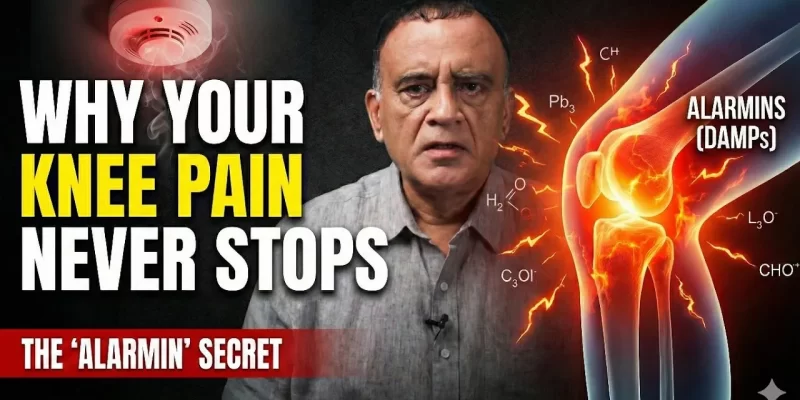
A-Kavach– The Biological Shield That Protects Your Joints From Arthritis

A-Kavach™ – The Biological  shield That Protects Your Joints From Arthritis

Arthritis is not just “wear and tear.” For decades, patients were told that their cartilage simply eroded because of aging or excessive load. But modern mechano-biologic science reveals a much more complex—and more important—truth:

Your knee is under a chemical attack.

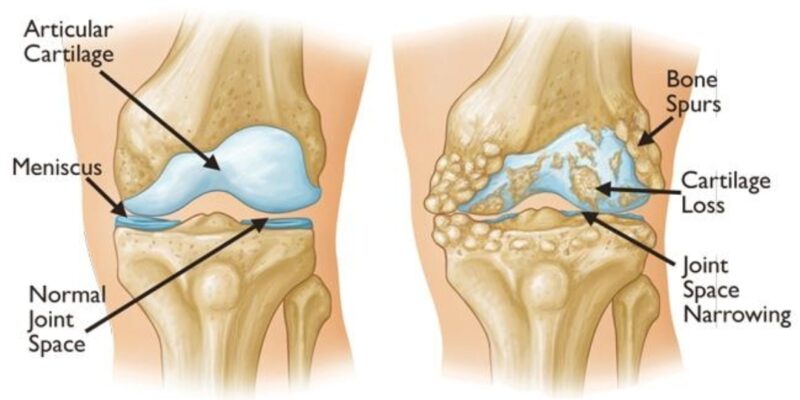
Inside an arthritic joint, destructive enzymes (proteases), inflammatory molecules, and oxidative stress behave like microscopic knives, cutting through cartilage and accelerating degeneration. Even if your X-ray looks “mild,” the chemical destruction can be severe.

A-Kavach™ is designed to stop this destruction before true damage occurs.


Why the Old “Wear and Tear” Theory Is Outdated

For years, osteoarthritis was explained only as a mechanical problem. But today we know that:

  • Cartilage breakdown is driven by biochemical inflammation
  • Specific enzymes—MMPs, ADAMTS, and cytokines—dissolve collagen and proteoglycans
  • These changes start silently, long before severe X-ray findings
  • This is why some patients with “normal” X-rays have severe pain
  • And some people with terrible X-rays have no pain at all

Mechanical load alone does NOT cause arthritis. Chemical assault does.

A-Kavach™ is built specifically to interrupt this chemical cascade.


What Is A-Kavach™?

A-Kavach™ is a biological defence protocol designed at Madras Rejuvenation Centre to protect your cartilage from the destructive forces of osteoarthritis.

It works through a 3-layered mechanism:

1. Shielding the cartilage from destructive enzymes

Biologic agents used in A-Kavach™ neutralize excess proteases and inflammatory molecules. This slows the chemical erosion that silently eats away at cartilage.

2. Improving joint biology and nutrient flow

Healthy cartilage depends on movement, pressure gradients, and cellular health. A-Kavach™ restores the biological environment needed for repair.

3. Reducing pain generators inside the joint

Pain signals come from:

  • Synovial inflammation
  • Bone marrow lesions
  • Nerve sensitization
  • Piezo-mechanoreceptor dysfunction

A-Kavach™ addresses these pain pathways to restore comfort and confidence.


Who Is A-Kavach™ For?

A-Kavach™ is ideal for patients who:

  • Have early to moderate osteoarthritis
  • Experience pain not explained by X-ray severity
  • Want to avoid or delay knee replacement
  • Have active inflammation inside the joint
  • Prefer a PR to joint preservation
  • Want to maintain mobility and function for years to come

Patients with metabolic syndrome, obesity, or chronic inflammation benefit significantly because A-Kavach™ directly targets “chemical arthritis.”


Why Timing Matters: The Earlier, the Better

By the time advanced arthritis appears on X-ray, a lot of cartilage is already lost. But the chemical destruction begins years earlier.

A-Kavach™ is your opportunity to intervene at the right time—not when the joint is already beyond biological rescue.

This is why early diagnosis and early biologic intervention are critical.


A-Kavach™ vs Conventional Arthritis Care

Treatment What It Does Limitations
Painkillers Reduce pain Do not stop damage; may accelerate cartilage loss
Steroid injections Quick relief Short-term, can worsen long-term arthritis
Physiotherapy Improves mechanics Cannot neutralize biochemical attack
Knee replacement Final-stage solution Major surgery, not for early OA
A-Kavach™ Targets chemical destruction + protects cartilage Best in early and moderate OA

The Science Behind the Shield

The A-Kavach™ protocol is rooted in:

  • Mechano-biology
  • Inflammation control
  • Cartilage protection science
  • Modulation of joint biochemical environment
  • Understanding of pain-generation pathways
  • Regenerative orthobiologic principles

This is a future-ready, precision-designed arthritis defence system.


Expected Outcomes With A-Kavach™

Most patients experience:

  • Reduced pain and swelling
  • Improved walking tolerance
  • Better stair-climbing ability
  • Increased knee confidence
  • Reduced night pain
  • Slowing of disease progression
  • Delayed or avoided knee replacement

Because A-Kavach™ addresses root biochemical causes, not just symptoms.


Take the First Step Towards Joint Protection

Arthritis progression is not inevitable. The chemical assault can be slowed—sometimes dramatically—when addressed early and correctly.

A-Kavach™ is your biological shield. Let your knees fight back.

To learn more or book a consultation, visit:
www.orthobiologicsurgeryindia.com
www.drakvenkat.com
Why knee injections fail explained

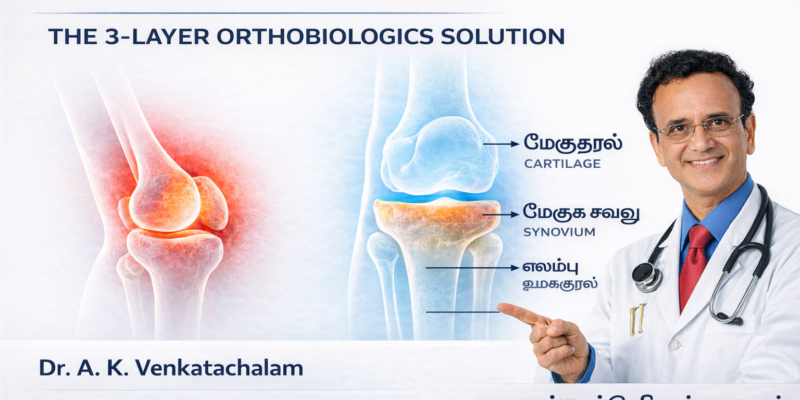
Why Knee Injections Fail — And How the 3-Layer Orthobiologics Approach Solves the Real Problem

By Dr. A. K. Venkatachalam, Madras Joint Rejuvenation Centre

Introduction

Millions of people receive injections for knee pain every year—PRP, hyaluronic acid, steroids, fat injections, “stem cell” treatments, and more.
Yet many patients tell me the same story:

“Doctor, it worked for a while… and then the pain came back.”

Why do knee injections often fail or give only temporary improvement?

The answer lies in a simple but scientifically supported truth:

See the video here

Osteoarthritis is not a single-layer problem.

It is a multi-tissue, multi-layer disease involving:

  1. Synovium – inflammation layer

  2. Cartilage – surface integrity layer

  3. Subchondral bone – load-bearing & pain layer

If you target only one layer, results will be incomplete.
This is where modern Orthobiologics offer a breakthrough—by matching the right biologic to the right biological target.


The Knee Is a Biological System — Not a Hinge Joint

Recent research describes the knee as a joint organ.
Synovium, cartilage, meniscus, fat pad, and subchondral bone communicate continuously through biochemical, mechanical, and inflammatory pathways.

This means:

  • Inflammation in the synovium affects cartilage.

  • Weakness or edema in the subchondral bone causes nerve sensitization.

  • Cartilage breakdown exposes bone and triggers more inflammation.

So OA progresses not in isolation, but through interconnected tissues.


Layer 1: The Synovium (Inflammation Layer)

The synovium is the first tissue to flare in many patients.
MRI studies show that synovitis correlates strongly with knee pain—even more than cartilage loss.

Why inject here?

Because reducing synovial inflammation stabilises the joint environment.

Best biologic for this layer:

  • Leukocyte-poor PRP (LP-PRP)
    Evidence shows LP-PRP reduces:

  • IL-1β

  • TNF-α

  • Synovial inflammatory markers

This is why I use LP-PRP as the foundation layer in ageing knees.


Layer 2: Cartilage (Surface Layer)

Cartilage has poor natural repair capacity due to being:

  • Avascular

  • Aneural

  • Low-cellularity

Orthobiologics do not regrow cartilage in advanced osteoarthritis,
but they can improve:

  • Matrix turnover

  • Chondroprotection

  • Joint lubrication

  • Cellular signalling

Best biologic for this layer:

  • Adipose-derived stromal cells (microfat / SVF-rich preparations)
    These cells support:

  • Matrix maintenance

  • Immunomodulation

  • Cellular cross-talk

In moderate OA, PRP + stromal cells provides stronger and longer symptom relief than PRP alone.


Layer 3: Subchondral Bone (Load-Bearing Layer)

This is the most overlooked layer, yet it is often the true generator of pain.

Subchondral bone develops:

  • Bone marrow lesions (BMLs)

  • Increased pressure

  • Nerve sensitization

  • Metabolic dysfunction

These changes destabilise the cartilage above.

Why inject here?

Because intraosseous biologics are now shown to:

  • Reduce BMLs

  • Improve load distribution

  • Reduce mechanical pain

  • Support cartilage from below

This is the missing link in many failed treatment attempts.


Why Injections Fail: The Single-Layer Problem

Most injections target only one of the layers:

Treatment Layer Targeted
Steroid Synovium only
HA Lubrication; minor cartilage effect
PRP Primarily synovium
Fat (microfat) Stromal/cellular layer
BMAC Mixed effects but inconsistent
“Stem cell” injections Usually intra-articular only

If the synovium is treated but the subchondral bone remains diseased, pain returns.
If cartilage signalling improves but synovial inflammation persists, results are weak.

This is why single-injection approaches often fail.


The 3-Layer Orthobiologic Strategy (My Clinical Framework)

To achieve lasting benefit, each biologic should be chosen according to the target biology:

Layer 1 → Synovium → LP-PRP

Layer 2 → Cartilage → Adipose stromal cells (microfat)

Layer 3 → Subchondral bone → Intraosseous biologics

Not every knee needs all three.
But every knee needs the correct layer addressed.

This biological matching significantly improves outcomes.


Scientific Support for the 3-Layer Model

Synovium

  • Scanzello CR et al., Bone 2012 — Synovitis drives OA progression

  • Benito et al., Arthritis Rheum 2005 — Pain strongly correlates with synovitis

Cartilage

  • Filardo et al., AJSM 2015 — PRP improves chondrocyte metabolism

  • Buckland J., Nat Rev Rheumatol — MSCs support matrix biology

Subchondral Bone

  • Driban et al., Osteoarthritis Cartilage 2016 — BMLs predict pain & progression

  • Sánchez et al., Int Orthop 2016 — Intraosseous PRP improves BML-related pain


Who Benefits Most from the 3-Layer Approach?

Ideal candidates include:

  • Men and women 45+

  • With chronic knee pain

  • Early-to-moderate osteoarthritis

  • MRI showing synovitis or BMLs

  • Recurrent pain after PRP or HA

This approach is especially useful in post-menopausal women and metabolically inflamed knees.


⭐ Conclusion

Knee osteoarthritis is not a one-layer problem.
It is a multi-system joint disease, and orthobiologic treatments must be matched to each biological layer:

  • LP-PRP → inflammation

  • Stromal cells → cartilage & signalling

  • Intraosseous biologics → subchondral bone

This 3-Layer model is scientifically grounded, clinically logical, and highly effective for personalized knee preservation.

Q1. Why do knee injections stop working after a few months?

Because they usually treat only one layer (synovium or cartilage) while OA is a multi-layer disease involving synovium, cartilage, and subchondral bone.

Q2. What is the 3-layer orthobiologic approach?

A modern strategy targeting synovial inflammation, cartilage signalling, and subchondral bone remodeling with different biologics.

Q3. Is PRP enough for knee arthritis?

In early OA—sometimes. In moderate OA—usually not. LP-PRP is Layer 1 only.

Q4. Do adipose stromal cells grow new cartilage?

No. They improve signalling, reduce inflammation, and stabilise cartilage microenvironment.

Q5. What is intraosseous PRP?

A targeted biologic injection into the subchondral bone to reduce bone marrow lesions and mechanical pain.

Q6. Who benefits most from this approach?

Patients above 40, especially with synovitis, BMLs, or metabolic knee inflammation.

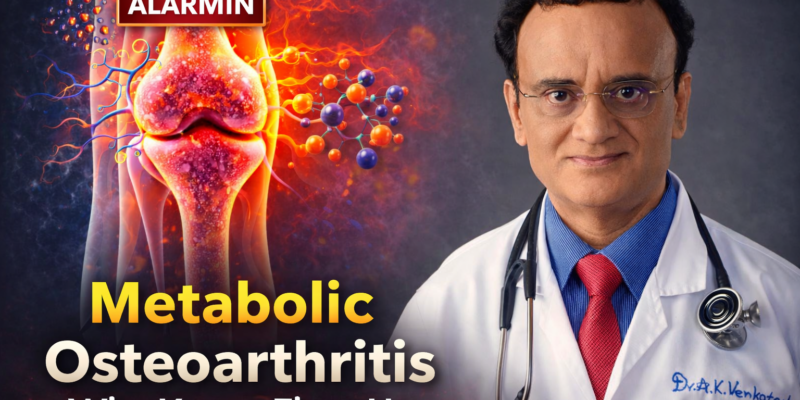
Metabolic Osteoarthritis

It’s Not Just “Wear and Tear”: The Metabolic Secret Behind Your Chronic Knee Pain

Why standard treatments fail when your own body chemistry is attacking your joints.

For decades, patients have been told a simple story about knee osteoarthritis: it is a disease of “wear and tear.” You used your knees too much, you got older, the cartilage wore down like the tread on a tire, and now it hurts.

But what if I told you that for a significant number of patients, this story is incomplete, or even flat-out wrong?

At the Madras Joint Rejuvenation Centre (MJRC), we see many patients whose pain seems disproportionate to their physical activity or age. They have tried painkillers, braces, and physiotherapy, but the deep, throbbing ache remains.

In my latest video presentation (embedded below), I explain the reason why: we have moved past the simple “wear and tear” model and now understand a distinct, aggressive phenotype known as Metabolic Osteoarthritis.

To understand metabolic arthritis, you must understand inflammation.

Acute inflammation is necessary. If you cut your finger, your body rushes immune cells to the area to fight bacteria and heal the wound. Once healed, the inflammation stops.

In metabolic osteoarthritis, that “stop” signal never comes.

Think of your immune system like a fire alarm in a building. When there is smoke, the alarm blares, and the sprinklers turn on. But imagine if the alarm gets stuck “ON” even after the fire is out. The sprinklers keep running, eventually rotting the wood and destroying the building’s structure.

In your knee, this chronic, low-grade inflammation acts like those sprinklers. It slowly degrades cartilage and irritates the joint lining (synovium), causing persistent pain that mechanical fixes cannot solve.

The Culprit: When Fat Turns Against You

Where does this constant inflammatory signal come from? In metabolic osteoarthritis, it often comes from our own adipose tissue—body fat.

For years, medicine treated fat as inert storage. We now know that adipose tissue acts like an endocrine organ. It is biologically active. Excess fat tissue, particularly visceral fat around the abdomen, secretes powerful inflammatory proteins called adipokines and cytokines.

These chemical messengers travel through your bloodstream and attack vulnerable tissues—including the cartilage in your knees. This is why obesity is linked to arthritis not just because of heavy load-bearing, but because the body is in a state of systemic inflammation.

The “Skinny Fat” Paradox: It’s Not Just About Weight

This is the most crucial point for many patients: You do not have to be morbidly obese to have metabolic arthritis.

In the video, I share a case study of a patient with a normal BMI. Their routine blood tests showed normal fasting glucose. Their doctor told them they were fine.

However, when we ran deeper metabolic panels at MJRC, we found their fasting insulin was dangerously high. Their pancreas was working overtime just to keep blood sugar normal, flooding their body with insulin—a major driver of inflammation.

This patient didn’t need a knee brace; they needed to address their metabolic dysfunction.

Why Conventional Treatments Fail

If the root cause of your knee pain is a metabolic “fire,” you cannot fix it with purely mechanical tools.

  • Painkillers (NSAIDs) temporarily mask the signal but do not stop the fire.

  • Braces provides support but do not stop the chemical attack on the cartilage.

  • Arthroscopic “clean-ups” often fail because the inflammation returns immediately.

The Future: Treating the Chemistry, Not Just the Mechanics

Understanding that osteoarthritis has a metabolic basis is the first step toward real relief. If we can identify that your body is in an inflammatory state, we can change the treatment plan.

At MJRC, we focus on Orthobiologics and protocols like PRASAD, which are designed not just to patch up the damage, but to alter the biological environment of the joint, helping to turn off that stuck “fire alarm.”

In my next article and video, I will explain exactly how these biologic treatments attempt to influence this inflammatory memory and promote healing.


Are you frustrated with knee pain that won’t resolve? You may be dealing with Metabolic Osteoarthritis. Contact the Madras Joint Rejuvenation Centre today for a comprehensive evaluation that looks beyond just “wear and tear.”

See this link-https://share.google/WgNZniY59jVuxsOu8

Scientific references  for the  video

Scientific References

  • Systemic Inflammation & OA:

    • Berenbaum F. et al. “Osteoarthritis as a systemic disease.” Nature Reviews Rheumatology, 2013.

  • Adipokines & Cartilage:

    • Gualillo O. et al. “Obesity and osteoarthritis: more than just mechanics.” Osteoarthritis and Cartilage, 2007.

    • Conde J. et al. “Adipokines: novel players in rheumatic diseases.” Nature Reviews Rheumatology, 2011.

  • Alarmins & Immune Response:

    • Hotamisligil G.S. “Inflammation and metabolic disorders.” Nature, 2006.

  • Inflammatory Memory:

    • Serhan C.N. “Pro-resolving lipid mediators are leads for resolution physiology.” Nature, 2014.

  • Metabolic Syndrome & Joint Pain:

    • Sellam J., Berenbaum F. “The role of synovitis in pathophysiology and clinical symptoms of osteoarthritis.” Nature Reviews Rheumatology, 2010.

    • Courties A. et al. “Metabolic stress-induced joint inflammation and osteoarthritis.” Nature Reviews Rheumatology, 2015.

Alarmins, cause of persistent knee pain

Alarmins: The Hidden Reason Your Knee Pain Keeps Flaring Up

Why your knee “screams” even when scans look normal — and how to calm the biology behind it

In This Article, You Will Learn:

🔷 Summary: What You Will Learn

  • What alarmins are
  • Why they trigger sudden knee pain flare-ups
  • How diabetes, insulin resistance, and metabolic stress magnify inflammation
  • Why your MRI can look “normal” while the pain is severe
  • How we treat alarmin-driven knee flares at Madras Joint Rejuvenation Centre (MJRC)


See this video –


🔷 What Are Alarmins?

When your knee joint cells experience stress — from injury, overload, poor metabolism, or inflammation — they release small emergency molecules called alarmins.

Think of alarmins as your joint’s chemical SOS signal.

They alert the immune system:
“Something is wrong — send help immediately!”

Initially, this is protective. But when alarmins stay elevated for too long, the joint becomes stuck in flare-up mode.


🔷 The “Alarmin Cascade”: Why Inflammation Doesn’t Switch Off

The process is simple:

  1. Joint tissues become stressed (overload, metabolic stress, cartilage wear)
  2. Alarmins are released (distress signal)
  3. Immune cells rush in (the joint becomes “hot”)
  4. Inflammation rises suddenly (pain, swelling, stiffness)
  5. Resolution fails (flare lasts longer than expected)

This “failure to switch off” is extremely common in diabetes, obesity, insulin resistance, and metabolic syndrome because their inflammatory baseline is already high.


🔷 Real Case Example

A 62-year-old woman with diabetes came to MJRC with severe knee pain. She had undergone PRS treatment years earlier, and her MRI appeared normal — no meniscal tear, no major cartilage loss.

But her pain suddenly spiked. Her HbA1c was 10.2.

Metabolic imbalance amplified her alarmin response. Once we stabilised her metabolic status and reduced inflammatory load, her pain reduced significantly.

The knee was structurally normal. The biology was not.


🔷 The Metabolic Link: Why Diabetics Have Worse Flares

1. High glucose = more oxidative stress
This irritates cartilage and synovium.

2. Insulin resistance = immune overactivation

Your immune cells become more aggressive.

3. Poor resolution response

Inflammation starts — but doesn’t stop.

This is why many diabetics experience:

  • burning pain

  • night pain

  • sudden swelling

  • pain even at rest

These are chemical flares, not mechanical damage.


🔷 Why Your MRI Can Look “Normal” But You Still Hurt

Most diagnostic scans detect structure, not chemistry.

Alarmins affect:

  • synovial lining

  • cartilage cells

  • immune pathways

But these may not show up on:

  • X-ray

  • MRI

  • ultrasound

So many patients hear:

“Your scan is normal — nothing is wrong.”

Yet their pain continues because the problem is biochemical, not structural.


🔷 How We Diagnose Alarmin-Driven Knee Pain at MJRC

At Madras Joint Rejuvenation Centre, we evaluate both:

  • Mechanical causes (cartilage, meniscus, alignment)

  • Chemical causes (alarmins, metabolism, inflammation)

Our assessment includes:

  • metabolic profile (HbA1c, insulin resistance markers)

  • synovitis evaluation

  • inflammatory triggers

  • mechanical stress evaluation

  • gait and load analysis

This gives a complete picture, not a partial one.


🔷 Treatment: How We Calm Alarmins and Reduce Flares

We follow a stepwise scientific protocol:

1. Reduce metabolic load

  • stabilise blood sugar

  • improve insulin sensitivity

  • lower inflammatory baseline

2. Quiet the alarmin response

  • targeted supplements

  • structured anti-inflammatory nutrition

  • guided low-load exercise

3. Modulate joint biology

Using orthobiologics:

  • PRS (Platelet-Rich Serum)

  • PRASAD protocol

  • BMAC

  • SBE (Subchondral Biologic Enhancement)

These work best when metabolic inflammation is controlled.

4. Restore joint resilience

  • graded strengthening

  • neuromuscular activation

  • metabolic conditioning

This transforms the internal joint environment.


🔷 When Should You Seek Help?

If you experience:

  • knee pain without injury

  • pain at rest

  • sudden flare-ups

  • night pain

  • pain that doesn’t match your MRI findings

  • worsening after sugary meals

  • diabetes + knee pain

…your knee pain may be alarmin-driven, not mechanical.


🔷 Final Takeaway

Your knee isn’t just wearing out — it is signalling.

Alarmins are your joint’s distress signal.
Ignoring them means the cycle continues.
Understanding them gives you control over flare-ups.


🔷 Need a True Biologic Evaluation?

At Madras Joint Rejuvenation Centre, we specialise in evaluating knee pain using:

  • metabolic assessment

  • immune pathway analysis

  • mechanical load evaluation

  • orthobiologic treatment sequencing

If your pain is unpredictable or doesn’t match your scan, you may have alarmin-driven inflammation.

👉 Book a scientific knee evaluation at MJRC.
👉 Let’s calm the biology and restore your joint.

Contact links- E mail- drvenkatjoints@gmail.com

Clinic- https://share.google/if8xFKw1ntV5uby0z

Why Knee Pain Persists: Start Your Recovery by Understanding Inflammation

Chronic knee pain is not just a “wear and tear” problem. It is an active biological process. At the Madras Rejuvenation Centre, our approach begins by helping patients understand why inflammation switches on, why it fails to switch off, and how this disrupts the knee’s natural healing environment.

Your two foundational videos—the Start Here introduction and the Inflammation video—establish the scientific framework for this different way of thinking about knee arthritis.

This article integrates the key concepts from both, giving readers a clear, structured overview of why their knees hurt and how modern biologic medicine now addresses the root mechanisms behind their symptoms.


1. The Real Cause of Knee Arthritis: Failed Inflammatory Resolution

In your Inflammation video, you explain that knee osteoarthritis is not simply a degenerative process. Instead, it represents a state in which inflammation turns on correctly—but fails to resolve.

Inflammation begins for a reason. Even minor stress, micro-injury, or low-grade metabolic imbalance can trigger it. The problem is not the trigger. The problem is the body’s inability to complete the “resolution phase.”

When this resolution fails:

  • Joint lining stays irritated

  • Cartilage remains vulnerable

  • Pain sensors keep firing

  • Synovial fluid becomes less protective

  • Healing switches off

This framework shifts the conversation away from “old age” and toward modifiable biology.


2. Why Inflammation Fails to Switch Off

The Start Here video underscores that modern knee arthritis care must begin with understanding these control mechanisms, not merely suppressing pain.

Here is what we now know:

  • Chronic inflammation is orchestrated, not chaotic.

  • It involves specific molecules, signals, mediators, and checkpoints.

  • When these checkpoints malfunction, the inflammatory programme gets stuck.

Your upcoming sequel videos (Alarmins → Metabolic OA → Biologics → PRASAD) expand on these individual checkpoints.


3. The Two Core Questions Every Patient Must Understand

Your Start Here video frames the patient journey with two essential questions:

Question 1: What keeps turning inflammation on?

This relates to mechanical triggers, metabolic stress, tissue strain, and danger signals inside the joint.

Question 2: Why does inflammation fail to turn off?

This includes disrupted resolution pathways, biochemical imbalances, and molecular “stop signals” that fail.

The Inflammation video gives patients the foundation to explore these deeper mechanisms in a structured, stepwise manner.


4. Why This Matters for Patients

Most patients have only been offered:

  • Painkillers

  • Steroid injections

  • Taping or braces

  • General exercise prescriptions

  • Advice to “lose weight”

But none of this fixes why the joint environment remains inflamed.

Your channel and clinic offer something different: a biologic first approach that restores the natural regulatory system inside the joint—rather than suppressing it artificially.

This empowers patients by:

  • Giving a clear scientific roadmap

  • Explaining the sequence from inflammation → damage → worsening

  • Showing how intervention can be targeted at each checkpoint

Your Start Here video serves as the front door to this roadmap.


5. The MJRC Approach: A Sequential Educational Pathway

Your pillar sequence is designed to build a coherent narrative:

  1. Wear & Tear (myth-busting)

  2. Exercise (benefits and limitations)

  3. Inflammation (foundation)

  4. Start Here (orientation)

  5. Alarmins (danger signals)

  6. Metabolic OA (system-level factors)

  7. Biologic Interventions (restorative tools)

  8. PRASAD (your flagship protocol)

This blog post links your first two steps so patients begin with a correct understanding before accessing deeper content.


6. Watch the Videos for a Clear Starting Point

Start Here Video (Version 1)
Your essential orientation video that outlines the entire philosophy of knee arthritis care at the Madras Rejuvenation Centre.

The Inflammation Video
A foundational explanation of why knee pain persists and what controls the switch of inflammation inside the joint.

These provide the intellectual foundation for patients before entering the more advanced checkpoint videos.


7. What Comes Next

This integrated understanding prepares viewers for your next release:

  • The Alarmins video: the molecules that keep inflammation switched on

  • Followed by Metabolic OA, Biologics, and PRASAD treatment

Any patient entering your ecosystem with this two-video primer will now understand:

  • Why knee arthritis is a biological disorder

  • Why it progresses

  • Why conventional treatments often fail

  • Why your system focuses on resolution instead of suppression

The Scientific Evidence Behind Inflammation-First Knee Arthritis Care

  1. Scientific Basis of Inflammation-First Knee Arthritis Care

This page summarises the scientific evidence supporting an inflammation-first approach to knee osteoarthritis, as presented in the Inflammation Pillar Video. Each section corresponds directly to a key statement from the script, supported by peer-reviewed research.

1. Knee Arthritis Is Not Just Wear and Tear

Scientific Proof

Osteoarthritis is now recognised as a whole-joint inflammatory disease involving the synovium, cartilage, subchondral bone, ligaments, and infrapatellar fat pad.

Key References

  • Robinson WH et al., Nature Reviews Rheumatology – Osteoarthritis as an inflammatory disease
  • Berenbaum F, Osteoarthritis and Cartilage – Low-grade chronic inflammation in OA progression

Consensus

Mechanical damage alone does not explain pain severity or disease progression.


2. Inflammation Inside the Joint Drives Pain, Stiffness, and Progression

Scientific Proof

  • Synovitis strongly correlates with pain severity
  • Associated with effusion and stiffness
  • Predicts faster cartilage loss

Key References

  • Hill CL et al., Annals of the Rheumatic Diseases
  • Felson DT et al., Arthritis & Rheumatology

Consensus

Pain tracks inflammatory activity, not X-ray grade.


3. Two Patients With the Same X-Ray Can Have Very Different Pain

Scientific Proof

Radiographic severity correlates poorly with clinical symptoms.

Key References

  • Bedson J, Croft PR, Rheumatology
  • Hannan MT et al., Arthritis & Rheumatism

Consensus

Imaging underestimates biological disease activity.


4. Exercise Improves Support, Not Inflammation

Scientific Proof

  • Improves muscle strength and neuromuscular control
  • Does not suppress synovial cytokines when inflammation is active

Key References

  • Henriksen M et al., Osteoarthritis and Cartilage
  • Baker KR et al., Arthritis Care & Research

Consensus

Exercise is necessary but biologically insufficient when inflammation is uncontrolled.


5. Why Patients Plateau Despite Good Physiotherapy

Scientific Proof

  • Active synovitis predicts poor rehabilitation response
  • Associated with pain flares after loading
  • Reduces tolerance to strengthening

Key References

  • Scanzello CR et al., Clinical Orthopaedics and Related Research
  • Schaible HG, Nature Reviews Rheumatology

Consensus

Plateaus are biological, not motivational failures.


6. Painkillers Suppress Symptoms, Not Disease Biology

Scientific Proof

  • NSAIDs reduce pain temporarily
  • Do not halt cartilage degeneration
  • Do not modify disease progression

Key References

  • Zhang W et al., OARSI Guidelines
  • Hochberg MC et al., Arthritis Care & Research

Consensus

Symptom relief does not equal disease control.


7. Sequence Matters: Calm Inflammation Before Strengthening

Scientific Proof

  • Reducing inflammatory load improves pain thresholds
  • Improves exercise tolerance
  • Enhances functional outcomes

Key References

  • Atukorala I et al., Arthritis Research & Therapy
  • Bennell KL et al., British Journal of Sports Medicine

Consensus

Biological readiness determines rehabilitation success.


8. Joint Preservation Focuses on Biology, Not Just Mechanics

Scientific Proof

Modern OA management emphasises early biological modulation, load management, and individualised treatment sequencing.

Key References

  • Loeser RF et al., Osteoarthritis and Cartilage
  • Hunter DJ, The Lancet

Consensus

Joint preservation is proactive, not passive.


9. Inflammation Is Treatable

Scientific Proof

  • Inflammation in OA is measurable
  • Inflammation is modifiable
  • Inflammation is clinically meaningful

Key References

  • Mathiessen A, Conaghan PG, Arthritis Research & Therapy
  • Scanzello CR, Goldring SR, Arthritis & Rheumatology

Consensus

Osteoarthritis inflammation is manageable, not inevitable.

See the video here -https://youtu.be/IJFPdKUwpc0?si=5lN4781-zEmo3Xk0

FAQ’s

Q: Is knee osteoarthritis only caused by wear and tear?

A: No. Current research shows osteoarthritis is a whole-joint inflammatory disease. Mechanical wear alone does not explain pain severity or progression.

Q: Why does knee pain not match X-ray findings?

A: Pain correlates more strongly with synovial inflammation than with radiographic cartilage loss. X-rays underestimate biological disease activity.

Q: Does exercise reduce inflammation in knee arthritis?

A: Exercise improves strength and support but does not reliably suppress active synovial inflammation when it is present.

Q: Why do some patients plateau despite physiotherapy?

A: Active inflammation sensitises pain pathways and limits tolerance to loading, leading to biological—not motivational—plateaus.

Q: Are painkillers disease-modifying in knee arthritis?

A: No. NSAIDs reduce symptoms temporarily but do not alter the underlying disease process or progression.

PRASAD Treatment for Knee Osteoarthritis: What It Is, Who It Helps, and How It Works

  1. PRASAD Treatment for Knee Osteoarthritis: What It Is, Who It Helps, and How It Works

Most people believe knee osteoarthritis is simply a problem of worn-out cartilage. Modern research, however, shows that osteoarthritis is driven by chronic inflammation, metabolic imbalance, and altered cartilage cell behaviour.

The PRASAD Treatment was developed to address these deeper mechanisms. Rather than offering temporary pain relief, it aims to reset the joint’s biological environment so that function improves and disease progression slows.

Why Osteoarthritis Needs More Than Symptom Control

Osteoarthritis is now understood as a whole-joint disease involving cartilage, synovium, bone, muscles, and inflammatory signalling molecules. Persistent inflammation keeps the joint in a breakdown-dominant state, even when X-rays appear only mildly abnormal.

This explains why pain severity often does not correlate with imaging findings—and why isolated injections or painkillers rarely provide durable improvement.

What Is the PRASAD Treatment?

PRASAD is a structured regenerative protocol designed to:

  • Reset chronic joint inflammation
  • Improve cartilage and synovial metabolism
  • Enhance the joint’s internal repair environment
  • Restore strength-based load tolerance
  • Delay or avoid knee replacement in selected patients

Unlike single-shot therapies, PRASAD is a phased protocol tailored to the patient’s inflammatory status, metabolic profile, and stage of osteoarthritis.

The Biological Rationale Behind PRASAD

Inflammation Reset

Stressed cartilage cells release danger signals known as alarmins. These molecules perpetuate inflammation and accelerate tissue breakdown. PRASAD targets this inflammatory loop to calm the joint before regenerative stimulation is applied.

Metabolic Rebalancing

In osteoarthritis, cartilage cells shift toward a catabolic (breakdown-driven) state. PRASAD incorporates metabolic correction and biologic modulation to push the joint environment back toward repair and stability.

Targeted Regenerative Support

Depending on patient selection, PRASAD may integrate platelet-based or cell-supported biologics, always within a controlled protocol rather than as stand-alone injections.

How PRASAD Differs From Standard Knee Injections

Common Treatment Primary Action PRASAD Difference
Steroid injections Short-term inflammation suppression PRASAD avoids cartilage-weakening effects of repeated steroids
PRP Growth factor delivery Used only after inflammation is biologically controlled
Hyaluronic acid Lubrication PRASAD focuses on biological reset, not temporary viscosity

Who Is an Ideal Candidate?

PRASAD is most effective for patients with:

  • Early to moderate knee osteoarthritis
  • Inflammatory flares with activity-related pain
  • Stiffness that improves with movement
  • Metabolic risk factors such as weight gain or insulin resistance
  • A desire to delay or avoid knee replacement

Expected Outcomes

Patients commonly experience improvements in pain, swelling frequency, walking endurance, stair climbing, and confidence in knee function. Results are gradual but more durable because the underlying joint environment is altered.

Safety Considerations

PRASAD primarily uses autologous biologics combined with structured rehabilitation and metabolic correction. This results in a favourable safety profile when proper screening is followed.

Why PRASAD Represents the Future of Osteoarthritis Care

Modern osteoarthritis management is moving toward early biologic intervention, inflammation control, metabolic optimisation, and strength-based joint loading. PRASAD aligns with this evidence-driven direction.

For a simpler, patient-focused explanation of the PRASAD approach, read the detailed overview on drakvenkat.com.

Long-Term Follow-Up Update (2026)

We recently received a follow-up review from a patient who underwent our stromal-based biologic treatment 6 years ago.

They continue to report:

Sustained pain relief

Stable knee function

See the attached screen shots

Active daily lifestyle6 year follow up of PRS treatment

No need for knee replacement

  1. This long-term outcome reinforces the durability of biologic knee-preservation strategies when applied to appropriately selected patients.

Continue reading “PRASAD Treatment for Knee Osteoarthritis: What It Is, Who It Helps, and How It Works”