Can your knee
be preserved?
If you have knee pain or have been advised to consider knee replacement, a careful assessment can help clarify what is causing your symptoms and whether preserving your natural knee is a reasonable option.
Joint preservation & orthobiologics with
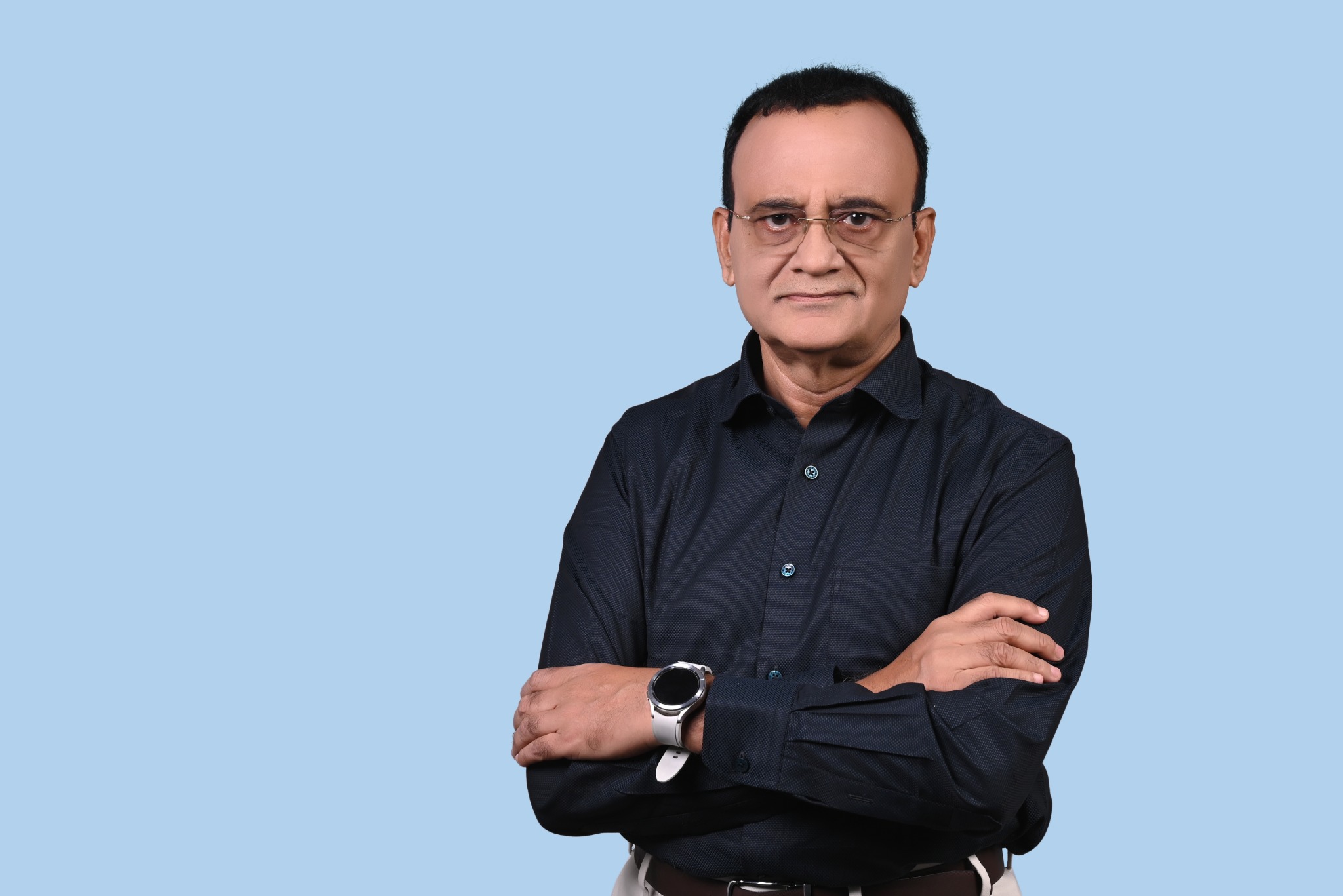
Dr. A.K. Venkatachalam
MS (Orth), DNB (Orth), FRCS (Glasg), MCh (Orth) (Liverpool)
Consultations at Kasthuri Hospital, West Tambaram, Chennai.
Too young for knee replacement?
Before making a major decision, understand how a comprehensive assessment of the joint, bone and your wider health can help determine whether knee preservation is realistic.
Knee pain. Difficulty walking.
Advice to have a replacement.
These concerns deserve an individual assessment. Two people with similar X-rays can have different symptoms, function and treatment needs. Even your two knees may need different decisions.
Living with knee arthritis?
Bring together your symptoms, examination and imaging to understand which tissues may be contributing to the problem.
Told you need replacement?
Explore whether a preservation approach is reasonable for your knee, and understand when replacement may be the more appropriate option.
Had injections before?
Review what was treated, how you responded and whether other sources of pain or limitations still need attention.
Your knee is more than its cartilage.
At MJRC, the assessment considers the joint, its supporting muscles and your wider health. The aim is to identify the problem before selecting a procedure.
THE JOINT
Cartilage, meniscus & synovium
Joint surfaces, meniscal function, swelling and inflammation are considered together.
THE BONE
Look beneath the surface
Existing imaging is reviewed, with further imaging when indicated, including assessment of subchondral bone and bone marrow lesions.
THE PERSON
Movement & metabolic health
Strength, stability, walking, blood sugar and other relevant health factors help shape the treatment and rehabilitation plan.
“Bone on bone” doesn’t tell the whole story.
An X-ray shows joint space. This video explains why the bone beneath the cartilage also matters when assessing knee pain.
Is preservation right for you?
Your assessment considers pain, daily activities, range of movement, stability, imaging, general health and previous treatment.
The discussion includes what you want to return to — walking, stairs, work, exercise or everyday independence — and what treatment can realistically offer.
A plan beyond the injection
- Address relevant metabolic and health factors.
- Select biological treatment where appropriate.
- Build strength and function through rehabilitation.
- Use bracing or activity adjustments when indicated.
- Review symptoms and function over time.
Preservation is an individual clinical decision. An X-ray grade alone does not decide the entire treatment plan.
Biology, preparation
and rehabilitation together.
PRASAD — Platelet Rich Adipose Stromal Advanced Derivative — is Dr. Venkatachalam’s integrated knee-preservation approach. Assessment and metabolic preparation guide the treatment, followed by rehabilitation and review.
Platelet-rich plasma
PRP is prepared from your own blood. Leukocyte-poor PRP is used within the approach where appropriate.
Adipose-derived tissue
Adipose tissue is mechanically processed by fractionation to prepare stromal vascular fraction (SVF), a tissue-derived preparation considered in selected patients.
Subchondral bone
Bone marrow aspirate concentrate (BMAC) may be delivered into the underlying bone when clinically indicated.
The “Advanced” part of PRASAD is an open slot: the treatment components and their delivery are selected after assessment, according to the findings in the individual knee. It is not a fixed three-part recipe. These treatments do not guarantee cartilage regrowth, a cure for arthritis or avoidance of future replacement.
Understand PRP, PRS and BMAC →
Also explore A-Kavach™, an inflammation-first step using platelet-poor plasma (PPP) when indicated.
Experience in replacement.
A focus on preservation.
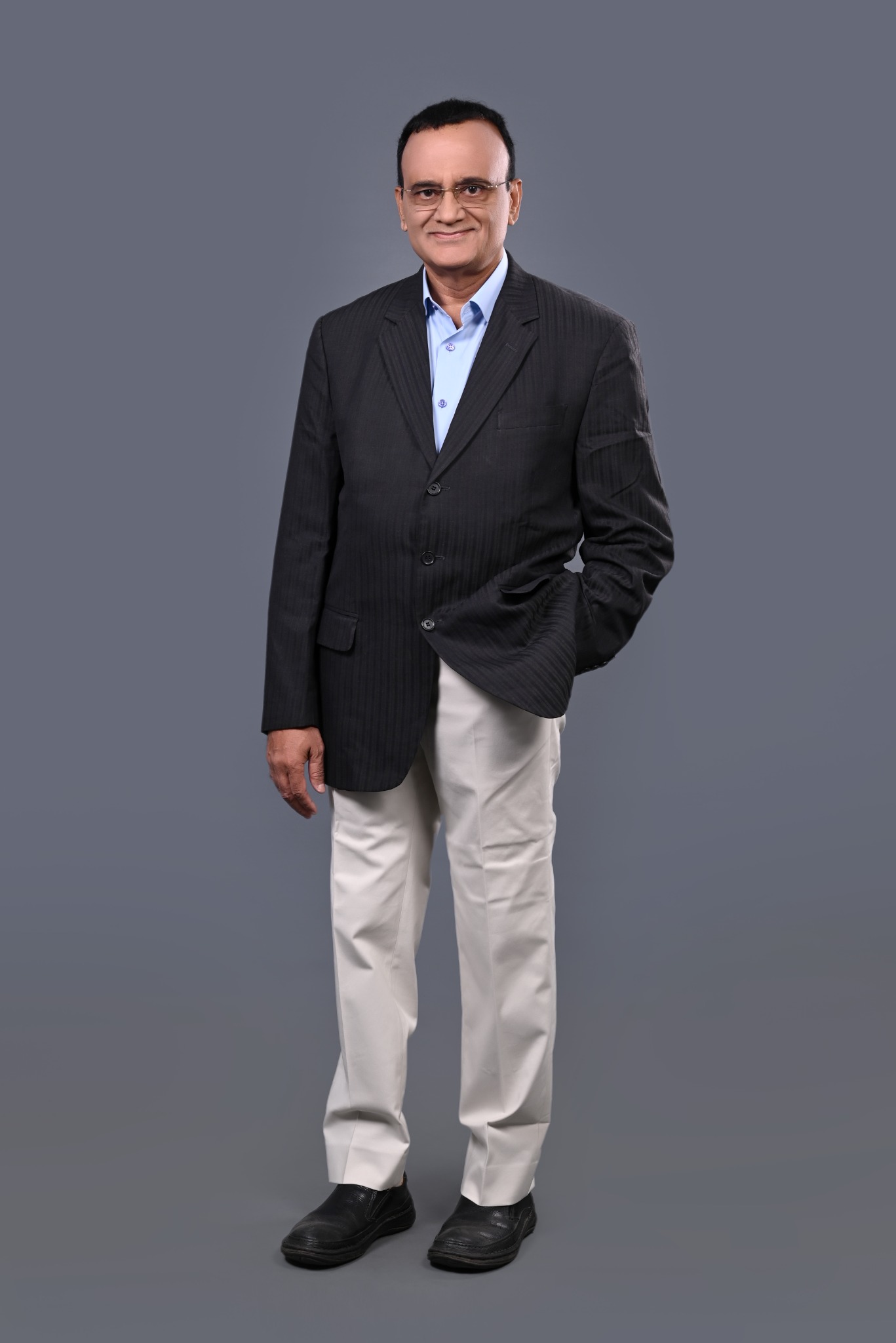
Dr. A.K. Venkatachalam
MS (Orth), DNB (Orth), FRCS (Glasg), MCh (Orth) (Liverpool)
“I performed knee replacements for most of my surgical career. Today, my practice is focused on preserving the natural knee whenever I believe that is still reasonable.”
Understand what treatment can offer.
Research findings and individual patient experiences answer different questions. Published evidence, your clinical findings and your goals should all inform the decision.
We discuss expected benefits, uncertainties, risks and alternatives. Individual improvements in pain or walking do not, by themselves, establish cartilage regeneration.
Clear explanations for better decisions.
Watch & understand
Video explanations of knee arthritis, biological treatments and recovery.
Read the Learning Centre
Explore inflammation, metabolic health, knee pain and the reasoning behind preservation.
Your questions, answered
Read frequently asked questions before discussing your treatment options with the clinic.
What matters in everyday life.
Walking, stair use and returning to daily activities are central to the conversation. Read patient accounts alongside the clinical evidence.
Patient stories describe individual experiences. They do not predict your outcome.
Questions before your visit
What should I bring?
Bring your existing X-rays and MRI scans, reports, previous treatment details, medication list and relevant recent blood tests. The clinic can advise whether anything further is needed.
Does an assessment commit me to treatment?
No. The purpose is to understand your knee, discuss suitability and consider the available options before you decide.
Can I discuss previous injection treatment?
Yes. Bring details of the procedure, its date and your response so these can be reviewed during the assessment.
Knee pain on the stairs?
A short explanation of why stairs can bring on knee pain and what that symptom may mean.
Knee pain only on Stairs?
Watch this short video, then explore what a full knee assessment can clarify.
Understand your knee.
Then decide what comes next.
Book an assessment with Dr. A.K. Venkatachalam in Chennai to discuss whether knee preservation is appropriate for you.
Information on this website is educational and does not replace an individual medical assessment. Orthobiologic procedures have risks and limitations, and evidence varies by treatment and indication. Results differ between patients; there is no guarantee of healing or avoidance of surgery. Benefits, risks and alternatives should be discussed before treatment.